
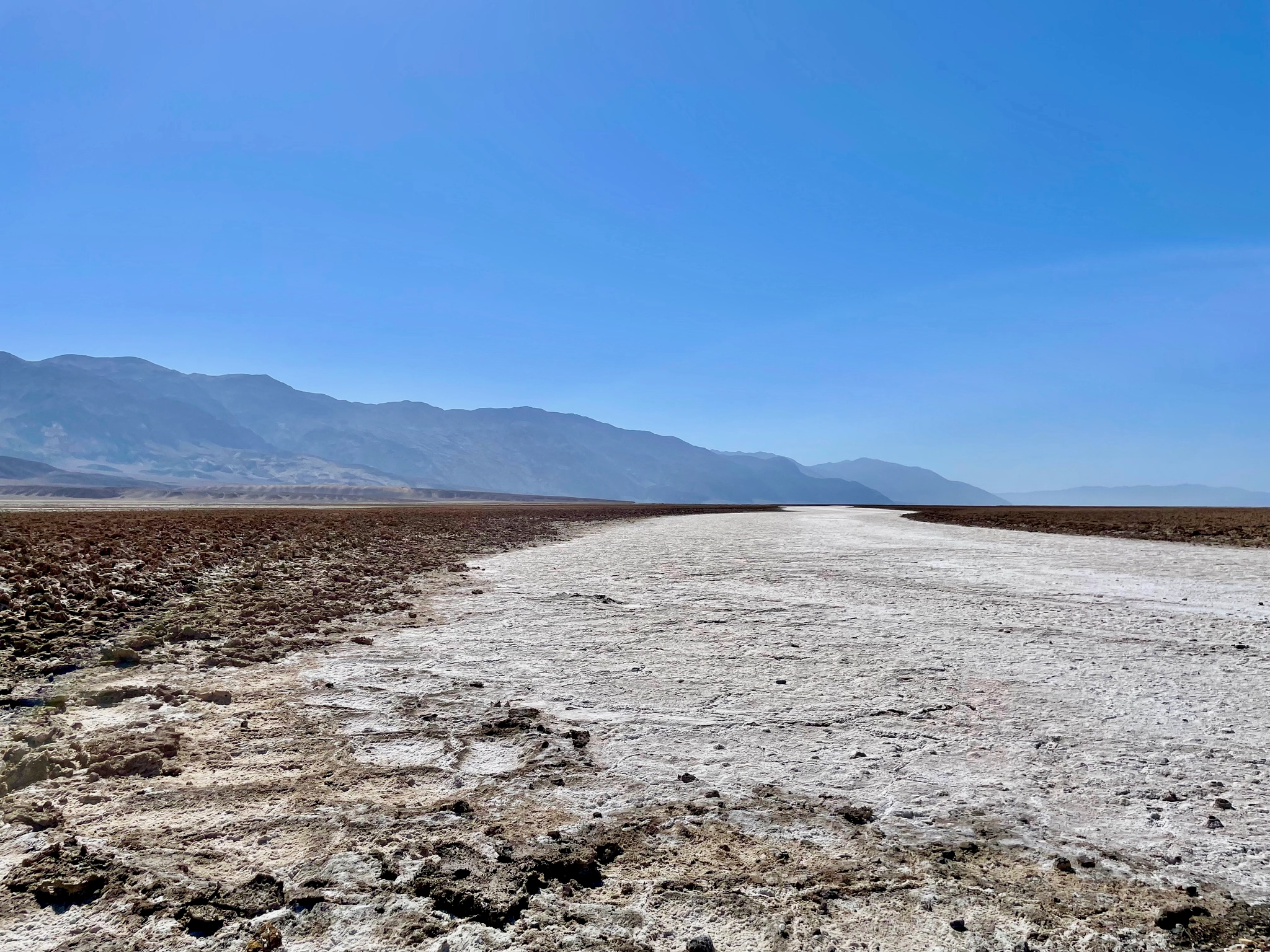
Languid, stretched out, and full of reverb
The fourth song on the Identity album is “Fields”. I wanted it to feel desolate and lonely, yet hopeful and a yearning for connection. I wanted it to be hauntingly beautiful, full of rich tremolo and reverb, with chords that feel like they’re radiating in all directions. I had been listening to Ry Cooder’s Paris, Texas soundtrack, Lyle Lovett, and Jedd Hughes – that lonesome Texas guitar feeling – and I wanted to capture some of that for myself.
The song came together from voice memos I recorded in May 2025. I kept it stretched out and languid, letting the phrases breathe. The working title was “Texas Guitar” for a long time, but eventually it became “Fields” – a name that felt open and wide, like the music itself.
“Fields” extends the emotional journey of the album. The protagonist is looking outward, searching for connection across a vast horizon. The realizations and resulting disappointments of “The Gospel” have left them feeling somewhat lost, but as the song builds, hope of something better begins to return.
Special Recording Notes

- Guitar: Fender Jazzmaster (“The Duke”).
- Amps: Fender Tone Master and Fender Hot Rod Deluxe Inspired by Michael Landau.
- Microphone setup:
- SM57 close‑mic’ing the Landau amp.
- Equitec 100 close‑mic’ing the Tone Master.
- Earthworks stereo pair as room mics.
- Signal chain: Guitar DI in Logic Pro → Apogee Quartet → Radial JCR ReAmp → UA Max pedal → Radial BigShot ABY pedal → both amplifiers simultaneously.
- Additional Re‑amping: Recorded DI, then re‑amped through the above setup. Later, I used the re‑amper again to run through a Strymon BigSky for ethereal shimmer processing, which I recorded onto other tracks.
- Additional instruments: Synth bass for super low subs during dynamic builds.
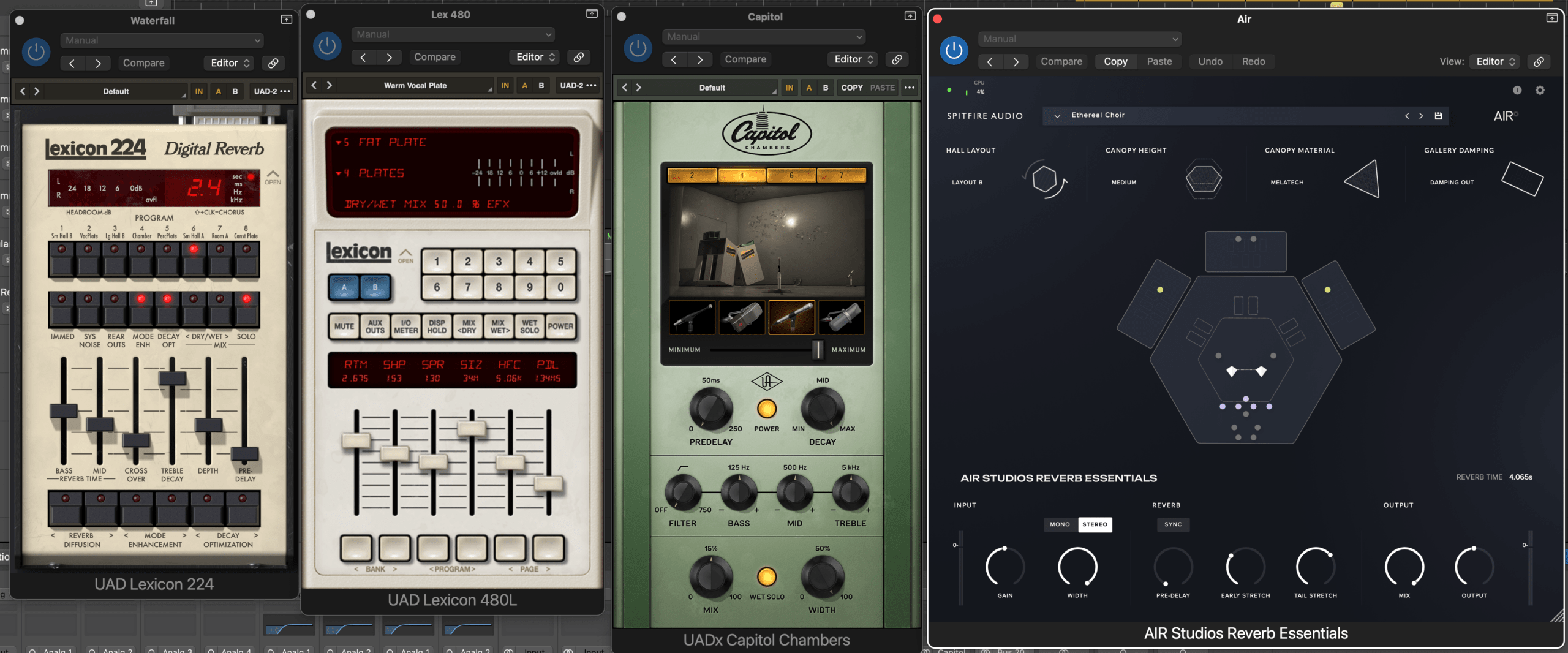
Although “Fields” is essentially a solo electric guitar song, it’s a big session for just one guitar. There are five tracks of the same guitar part: one DI track running through UA’s “Dream” amp sim, a re‑amping of that DI signal through a couple of tube amps that were close‑mic’d, and two stereo room mics capturing the blend of those amps. On top of that, there is a ton of reverb (Lexicon 224, Lexicon 480, Capitol Chamber, Air Studios Reverb Essentials) and delay (EP‑34) helping to give depth and breadth to the sound.
I did another couple of tracks of re-amping my original DI signal. This time I ran it into a BlueSky pedal to get an ethereal wash via the shimmer sound it is so well known for. Here is a clip of just the BlueSky “shimmer” Tracks:

Another texture I added was a wash of delay courtesy of the EP-34. It added a sense of space and motion without taking up too much sonic real estate. Here’s an audio clip of the EP-34 wash:

Here is a “before & after” comparison. The first clip has none of the extra processing in it. Just the original guitar and synth bass tracks. The second has all the additional effects included (multiple reverbs, BlueSky shimmer tracks, EP-34 delay wash).
Before: “Fields No FX Processing.mp3”
After: “Fields All Processing.mp3”
Special Mixing Notes

Normally I don’t use much FX processing from a Logic file in the way of reverbs and delays – I usually start fresh once I get everything into Luna. This time was different – I loved the sounds I got in the rough mix and just exported everything out as individual audio tracks, the instrument tracks as well as the FX sends. This made for a pretty simple and quick mix in Luna once I got levels matched. From there it was mainly a matter of overall volume adjustments and automation, tape settings and saturation levels for each track, and mix bus processing. Here’s what I used on the mix bus:
- Black Box (“16 Mix Bus 1” preset)
- SSL G Bus Compressor (modified Default setting)
- Fairchild 670 (Modified “Stereo Bus” preset)
- LA-3A (“Mix Bus Comp -1dB GR” preset)
- ATR-102 (modified “Classic 250 Smooth Master” setting)

Special Mastering Notes
- Target LUFS: -14.5
- Ozone settings:
- Vintage Tape: “Clear Character” preset
- Equalizer: +0.9 dB @ 13.816 kHz (Shelf, Q 24.0)
- Imager: 0‑100Hz = 0.0, 100‑1.5kHz = 16.5, 1.5kHz‑11.5kHz = 26.6, 11.5kHz‑20kHz = 36.7
- Vintage Compressor: “Smooth Opto” preset – threshold -22.6, ratio 1.6:1, attack 28.6ms, release 95.2ms
- Maximizer: IRC IV “Modern”, threshold -8.3 dB, ceiling -4.8 dB, Character 2.60
- Dither: POW‑r #2 when converting from 24‑bit to 16‑bit.
Identity is now available on all streaming platforms (such as Spotify), or you can also listen to it on Bandcamp.